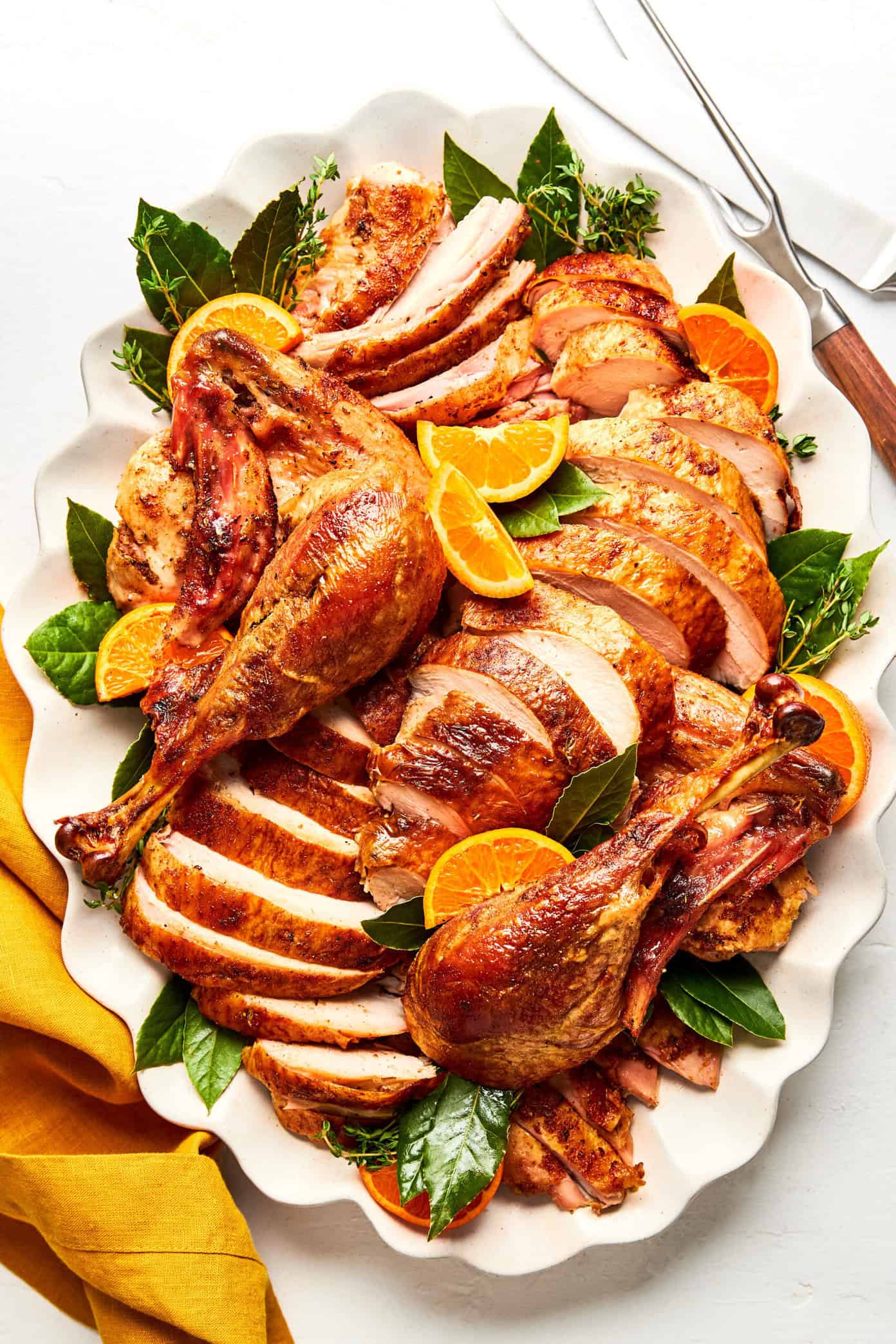
How to Dry Brine Turkey: Guaranteed Juicy Meat & Crispy Skin
Thanksgiving, Christmas, or any grand gathering calls for a show-stopping turkey – one that promises succulent, flavorful meat and irresistibly crispy skin. For many home cooks, achieving this culinary dream can feel like a daunting challenge, often resulting in dry, bland meat and soft skin. But what if we told you there’s a simple, foolproof method that guarantees a perfect bird every single time? Enter
dry brining.
This comprehensive guide will walk you through everything you need to know about
how to dry brine and roast a turkey, transforming your holiday bird from a source of stress into a masterpiece of moisture and taste. Forget complicated preparations and messy solutions; dry brining is the secret weapon for a truly unforgettable feast.
Why Dry Brining is Your Turkey's Best Friend (and Yours!)
The quest for a juicy turkey often leads cooks to consider brining. Traditionally, this brings to mind a "wet brine" – submerging the bird in a large bucket of seasoned salt water. While wet brining can add moisture, it comes with significant drawbacks:
*
Space Constraints: Housing a large bird in a huge container of liquid in your refrigerator is a logistical nightmare.
*
Mess & Safety: Dealing with gallons of raw turkey-infused water is messy and poses potential cross-contamination risks.
*
Diluted Flavor: While wet brining adds moisture, it can sometimes dilute the natural turkey flavor as the meat absorbs plain water along with the salt.
This is where dry brining shines. Also known simply as salting, dry brining involves rubbing your turkey thoroughly with salt and letting it rest uncovered in the refrigerator for 24 to 72 hours. The magic behind this method lies in the salt's interaction with the meat:
1.
Initial Moisture Draw: The salt initially draws moisture out from the turkey’s cells through osmosis.
2.
Salt Dissolution & Reabsorption: This moisture dissolves the salt, creating a concentrated brine right on the surface of the bird.
3.
Protein Restructuring: Over time, this salty liquid is reabsorbed into the meat. The salt works to unravel and denature the meat's proteins, causing them to lose their tightly coiled structure. This creates tiny gaps and channels within the muscle fibers, allowing them to hold onto moisture much more effectively during cooking.
4.
Enhanced Flavor & Tenderness: The reabsorbed salty liquid not only ensures deep seasoning throughout the meat but also tenderizes it by breaking down tough muscle fibers.
The advantages of dry brining are clear: less mess, less fridge space, and a naturally concentrated flavor that isn't watered down. Furthermore, the extended air exposure during the dry brining process is crucial for achieving that coveted, ultra-crispy skin. If you want to dive deeper into the science and comparison, check out our article on
Dry Brine vs. Wet Brine: Why Salting Your Turkey is Superior.
The Simple Steps to a Perfectly Dry-Brined Turkey
Preparing a perfectly dry-brined turkey is surprisingly straightforward. Here��s a step-by-step guide to ensure success:
1. Thaw Your Turkey Completely
This is crucial. A frozen turkey cannot be effectively dry brined. Plan ahead, allowing one day of thawing in the refrigerator for every 4-5 pounds of turkey. A 15-pound bird will need at least 3-4 days to thaw.
2. Prepare Your Workspace and the Bird
*
Clear Space: Ensure you have a clean, clear workspace.
*
Pat Dry: Remove the giblets and neck from the turkey cavities. Using paper towels, thoroughly pat the turkey dry, both inside and out. The drier the skin, the better the salt will adhere and the crispier your final product will be.
*
Place on a Rack: Set the turkey on a wire rack inside a roasting pan or on a baking sheet. This allows for even air circulation around the entire bird during the brining process.
3. The All-Important Salting
When it comes to the amount of salt, there are a couple of approaches. Some recipes suggest 1 teaspoon of kosher salt per pound of turkey, sometimes advocating for rinsing the salt off before roasting. However, many experienced cooks (myself included) prefer a method that uses less salt and eliminates the need for rinsing – which is great for food safety and reducing mess!
*
Choose Your Salt: Always use
kosher salt – never table salt. Kosher salt's larger, coarser granules are easier to distribute evenly and control, preventing over-salting. Table salt is much finer and denser, making it easy to accidentally apply too much, leading to an overly salty bird.
*
Recommended Amount: For a 12-15 pound turkey, 3 tablespoons of kosher salt is often sufficient to achieve juicy, well-seasoned meat without the need for rinsing. If you have a larger bird, you might slightly increase this, but err on the side of caution. For smaller birds (10-12 lbs), roughly 1/4 cup (4 tablespoons) of kosher salt is also effective, especially if you plan a light rinse or simply patting very dry again. The key is even distribution, not necessarily a thick coating.
*
Application Technique:
* Start by sprinkling some salt inside the main cavity of the turkey.
* Next, gently loosen the skin over the breast and thighs, and rub a good amount of salt directly onto the meat underneath. This ensures the seasoning penetrates deeply.
* Finally, generously sprinkle and rub salt all over the exterior of the turkey, including the legs, wings, and back. Ensure every surface is covered.
4. Refrigerate, Uncovered, for Air Drying
*
Duration: Place the salted turkey, still on its rack in the roasting pan, into the refrigerator. Let it rest,
uncovered, for 24 to 72 hours.
*
Why Uncovered? This extended exposure to cold, dry air is critical. It allows the turkey's skin to dry out significantly, which is the secret to achieving that beautifully golden, crispy skin during roasting. It’s essentially "air drying" the bird while the salt works its magic.
*
Safety Tip: Place the roasting pan on the lowest shelf in your fridge to prevent any potential drips onto other foods.
For more details on making this method even easier, don't miss our article:
Simple Dry Brine: The Secret to Succulent & Crispy Roasted Turkey.
Roasting Your Dry-Brined Masterpiece for Optimal Results
After the dry brining period, your turkey is ready for its moment in the oven. The roasting process is just as important for that perfect finish.
1. Pre-Roast Preparation
*
No Rinse (Usually): Unless you've used an exceptionally high amount of salt (e.g., 1 tsp/lb and you prefer to rinse), there's no need to rinse the turkey. Simply pat it very dry again with paper towels if there are any lingering wet spots.
*
Room Temperature (Optional but Recommended): For more even cooking, remove the turkey from the refrigerator about 1-2 hours before roasting. This allows it to come closer to room temperature, reducing the cooking time slightly and preventing the outside from overcooking before the inside is done.
*
Light Seasoning: Brush the entire exterior of the turkey with melted butter or olive oil. This aids in browning and crisping. Lightly season with fresh black pepper and any desired herbs (rosemary, thyme, sage) – remember, the turkey is already well-salted internally!
2. The Roasting Method
A common and highly effective roasting method involves starting at a higher temperature and then lowering it.
*
High Heat Start: Preheat your oven to a high temperature, typically 425-450°F (220-230°C). Roast the turkey at this temperature for the first 30 minutes. This initial burst of high heat helps to crisp the skin quickly and develop a beautiful golden-brown color.
*
Lower Heat Finish: After 30 minutes, reduce the oven temperature to 325-350°F (160-175°C) for the remainder of the cooking time. This lower temperature allows the turkey to cook more gently and evenly, preventing the exterior from burning while the interior catches up.
*
Monitor & Baste (Optional): If the skin begins to brown too quickly, you can loosely tent the turkey with aluminum foil. Basting is largely unnecessary with a dry-brined bird as it retains its own moisture so well, but if you enjoy the tradition, go for it!
*
Check Internal Temperature: The most crucial step is to cook to temperature, not time. Insert an instant-read meat thermometer into the thickest part of the thigh (without touching bone). Your turkey is done when it reaches 165°F (74°C). The breast meat will usually be slightly lower, around 155-160°F (68-71°C) when the thigh is done. Don't worry, it will continue to cook during resting. Cooking times vary widely based on oven calibration and turkey size, but a 12-15 lb bird typically takes 2-3 hours.
3. The All-Important Rest
Once your turkey reaches the target temperature, remove it from the oven, transfer it to a cutting board, and tent it loosely with foil. Let it rest for at least 20-30 minutes, or even up to an hour for larger birds. This resting period is absolutely essential: it allows the juices to redistribute throughout the meat, resulting in an even more tender and succulent carving experience. Slicing too early will cause all those precious juices to run out, leaving you with a drier bird.
Conclusion
Dry brining is a game-changer for anyone looking to achieve perfectly juicy turkey meat and incredibly crispy skin with minimal fuss. By simply applying salt and allowing time for refrigeration, you unlock a scientific process that transforms the texture and flavor of your bird. Say goodbye to dry, bland turkey and hello to a culinary triumph that will have your guests clamoring for seconds. Embrace the simplicity and effectiveness of dry brining, and prepare to serve the best turkey you've ever made!